Melanotan-II (MT-II) is a synthetic melanocortin peptide developed for scientific investigation into melanocortin receptor activity, pigmentation pathways, and hormone-mediated cellular signaling. As an analog of the naturally occurring alpha-melanocyte-stimulating hormone (α-MSH), Melanotan-II has been widely referenced in laboratory research exploring receptor binding, melanin production, and various physiological processes regulated by the melanocortin system.
This product is supplied as a 10mg lyophilized powder manufactured under controlled laboratory conditions to support research requiring consistency, purity, and batch-to-batch reliability. Every vial is intended exclusively for laboratory and in-vitro research applications and is not intended for human or veterinary use.
Product Overview
Melanotan-II is a synthetic peptide designed to mimic the biological activity of α-MSH, a naturally occurring hormone involved in activating melanocortin receptors. Researchers investigate this peptide because melanocortin receptors are distributed throughout multiple tissues and play roles in pigmentation, energy regulation, inflammatory signaling, and endocrine function.
Unlike naturally occurring α-MSH, Melanotan-II demonstrates greater stability and receptor affinity, making it a useful compound for experimental models that require prolonged receptor interaction.
As interest in melanocortin biology has grown, Melanotan-II has become one of the most frequently studied peptides within this class for understanding receptor-mediated physiological responses.
Research Applications
Melanotan-II has been referenced in scientific literature involving several areas of peptide and receptor research, including:
Melanocortin receptor signaling
Melanin production pathways
Pigmentation biology
Cellular receptor activation
Hormone signaling mechanisms
Peptide stability studies
Endocrine pathway research
Structure-activity relationship investigations
Experimental peptide pharmacology
Laboratory receptor binding assays
These applications remain experimental and continue to be explored through ongoing scientific research.
Mechanism of Action
Melanotan-II functions by interacting with melanocortin receptors, particularly receptor subtypes involved in pigmentation and hormonal signaling. Laboratory studies investigate how activation of these receptors influences intracellular signaling pathways responsible for regulating melanin synthesis and other biological processes.
Because the peptide exhibits strong receptor affinity and improved stability compared with endogenous α-MSH, it provides researchers with a valuable model for evaluating melanocortin receptor activity over extended observation periods.
Current investigations also examine how receptor activation contributes to broader physiological signaling networks beyond pigmentation alone.
Product Specifications
Product Name: Melanotan-II
Peptide Content: 10mg per vial
Peptide Type: Synthetic melanocortin analog
Form: Lyophilized powder
Appearance: Sterile freeze-dried powder
Purity: Laboratory grade
Research Classification: Experimental peptide
Intended Use: Laboratory and analytical research only
Following proper storage procedures helps maintain product quality throughout experimental use.
Laboratory Research Use
Melanotan-II is supplied exclusively for laboratory, analytical, and scientific research.
This material is intended for qualified research professionals conducting experimental investigations involving peptide science and receptor biology.
It is not intended for:
Human consumption
Veterinary applications
Medical treatment
Diagnostic use
Cosmetic use
Therapeutic administration
Researchers should follow all applicable institutional guidelines and laboratory safety procedures when handling experimental compounds.
Why Researchers Study Melanotan-II
Interest in Melanotan-II extends beyond pigmentation research due to the complexity of the melanocortin receptor family. Multiple receptor subtypes participate in diverse biological functions, making this peptide valuable for studies examining receptor selectivity, intracellular communication, and hormone-mediated cellular responses.
Its improved stability compared with endogenous α-MSH allows researchers to investigate prolonged receptor activation under controlled laboratory conditions while evaluating signaling pathways associated with melanocortin biology.
As peptide science continues to evolve, Melanotan-II remains an important experimental compound for laboratories investigating endocrine signaling, receptor pharmacology, and molecular interactions.
Frequently Asked Questions
What is Melanotan-II?
Melanotan-II is a synthetic melanocortin peptide that mimics the activity of alpha-melanocyte-stimulating hormone (α-MSH). It is widely studied in laboratory settings for research involving melanocortin receptor signaling and pigmentation pathways.
What form is the product supplied in?
Each vial contains 10mg of Melanotan-II as a sterile lyophilized powder intended for laboratory research.
What areas of research commonly involve Melanotan-II?
Researchers investigate Melanotan-II in studies related to melanocortin receptor biology, melanin production, peptide pharmacology, receptor activation, endocrine signaling, and experimental peptide chemistry.
Is Melanotan-II intended for human use?
No. This product is supplied strictly for laboratory and research purposes only. It is not intended for human or animal consumption, therapeutic use, or medical application.
Select options
This product has multiple variants. The options may be chosen on the product page
Melanotan II 10 mg, Melanotan II Research Peptide, Melanotan-2, MT-2 Peptide, Synthetic Melanocortin Peptide, Melanocortin Receptor Research, MC1R Signaling, MC4R Signaling, Melanogenesis Research, Melanin Production Research, Pigmentation Research, Melanocyte Biology, Skin Pigmentation Research, Peptide-Receptor Interactions, Cellular Signaling Research
Frequently Asked Questions
What is Melanotan II 10 mg?
Melanotan II (MT-II) is a synthetic cyclic peptide related to alpha-melanocyte-stimulating hormone (α-MSH). It has been investigated for its interactions with melanocortin receptors and pathways associated with pigmentation and other physiological functions.
What is Melanotan II also called?
Melanotan II is commonly abbreviated as MT-II or MT-2. Product identity should be confirmed through the supplier's molecular specifications rather than the abbreviation alone.
What is the relationship between Melanotan II and α-MSH?
Alpha-melanocyte-stimulating hormone is a naturally occurring peptide involved in melanocortin signaling. Melanotan II is a synthetic analog designed to interact with this receptor system.
What are melanocortin receptors?
Melanocortin receptors are a family of cellular receptors involved in several biological signaling pathways, including pigmentation and other physiological processes. Different receptor subtypes have different functions.
What is MC1R and how does it relate to pigmentation research?
MC1R stands for melanocortin 1 receptor. It plays an important role in melanocyte signaling and melanin production, making it a key subject in pigmentation biology.
How does Melanotan II differ from Melanotan I?
Melanotan I and Melanotan II are distinct synthetic peptides with different structures and pharmacological profiles. Research findings involving one compound should not automatically be applied to the other.
Is Melanotan II the same as afamelanotide?
No. Afamelanotide is a distinct melanocortin analog used in the prescription medicine SCENESSE for a specific approved indication. Melanotan II is not an FDA-approved medicine and should not be treated as interchangeable with afamelanotide.
What does the 10 mg product specification mean?
The 10 mg designation refers to the stated amount of material in the product. It does not independently verify the compound's identity, purity, quality, or suitability for any application.
What research areas have involved Melanotan II?
Research has explored melanocortin receptor pharmacology, pigmentation-related biology, and certain physiological responses. These investigations do not establish that an unapproved product is safe or effective for cosmetic or therapeutic use.
Does Melanotan II provide protection from ultraviolet radiation?
A pigmentation response should not be interpreted as reliable protection from ultraviolet radiation or sun damage. Melanotan II is not an approved sunscreen or substitute for established sun-protection measures.
How can researchers assess Melanotan II product quality?
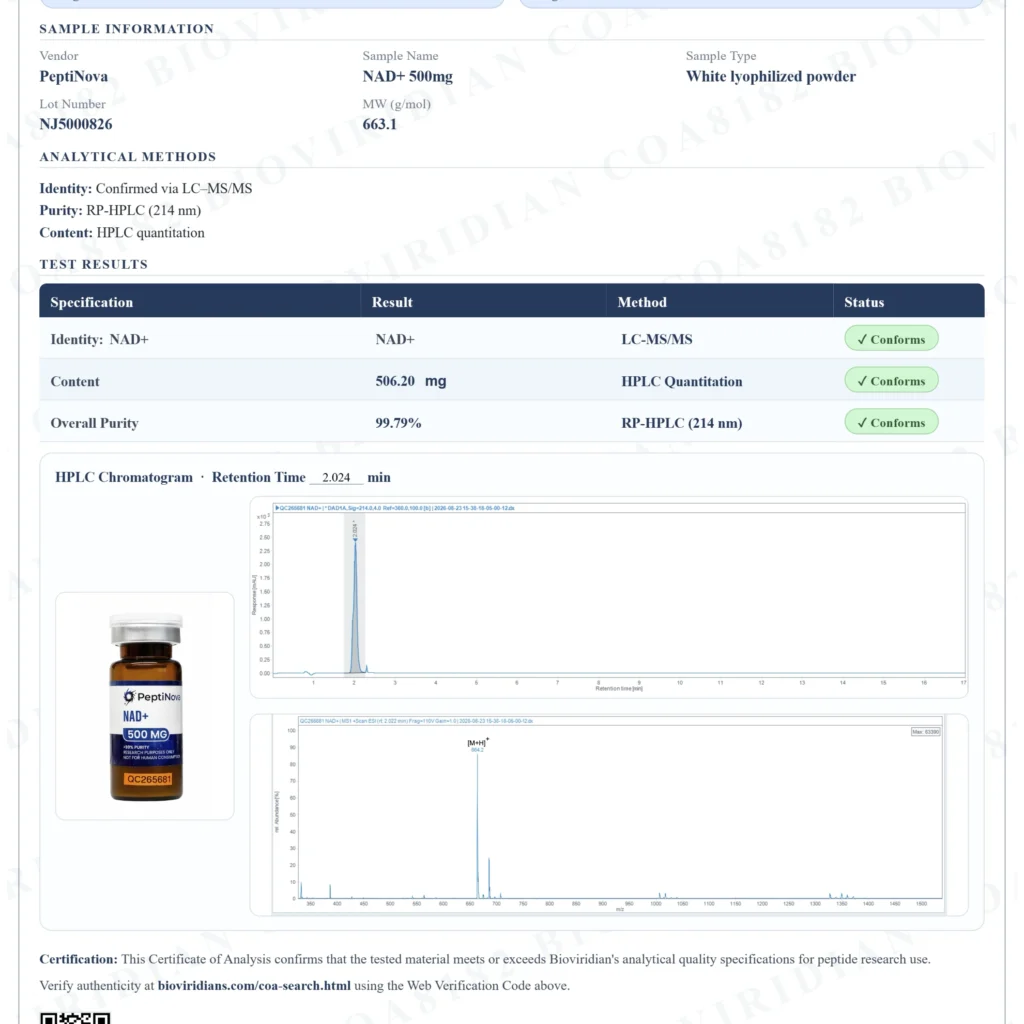
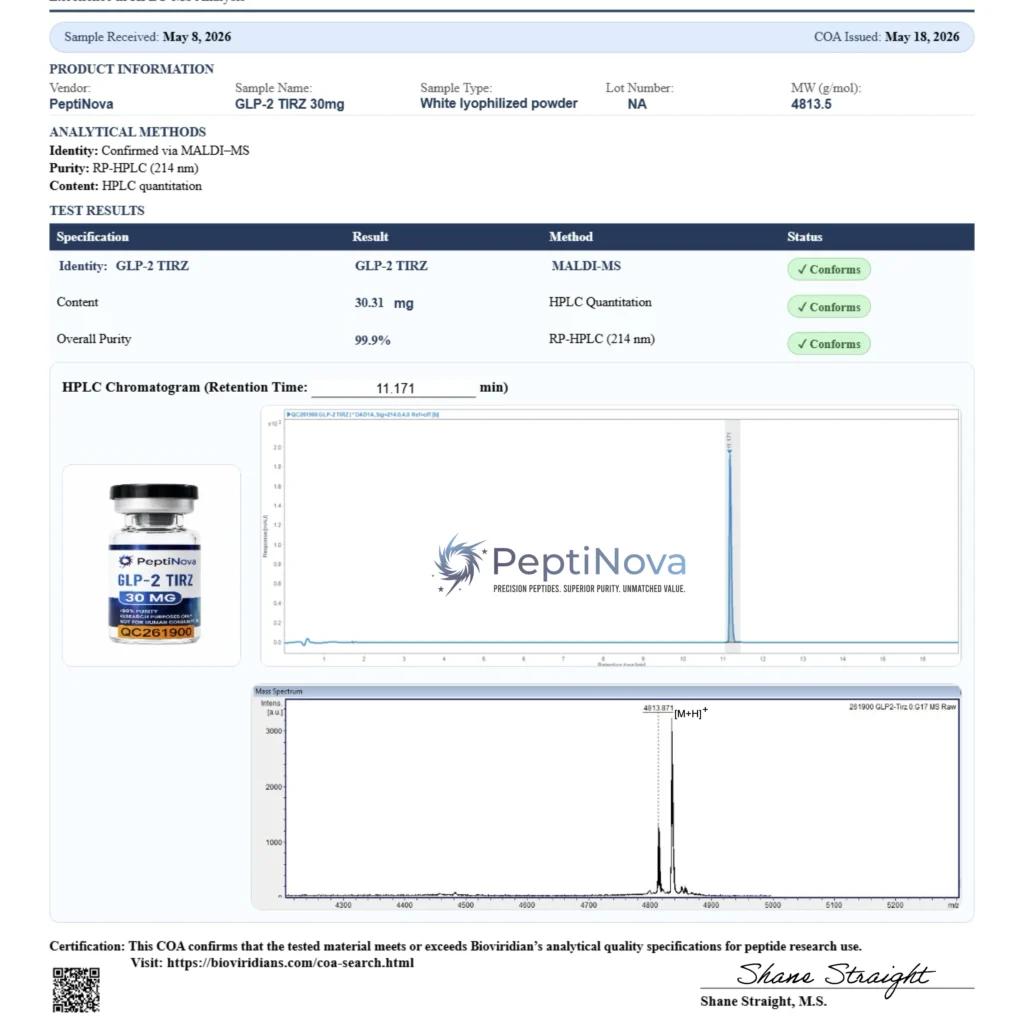
Relevant quality information includes verified molecular identity, analytical purity, batch traceability, and appropriate laboratory testing documentation. Any quality claims should be supported by records for the specific batch.
What is a Certificate of Analysis (COA)?
A COA is a document reporting analytical results for a specific batch of material. Depending on the tests performed, it may include identity, purity, batch details, and other measured quality characteristics.
What safety concerns have been reported for Melanotan II?
Regulatory and medical sources have raised concerns about unapproved Melanotan II products, including uncertain product quality and reports of serious adverse events. The available information does not establish a reliable safety profile for unsupervised use.
Is PeptiNova Melanotan II 10 mg approved for human use?
Melanotan II is not an FDA-approved medicine. A laboratory-research label does not establish that a product is safe or approved for human use, and the product should not be presented as a treatment or cosmetic tanning medicine.
What should researchers check before selecting Melanotan II 10 mg?
Review the exact molecular identity, stated quantity, batch-specific analytical documentation, storage requirements, and intended research context. Do not assume that a research product is equivalent to a regulated medicine or suitable for human consumption.